About Us
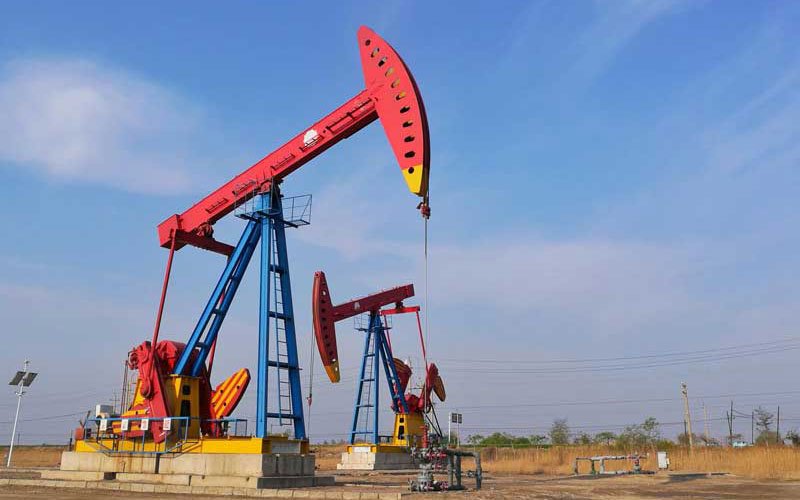
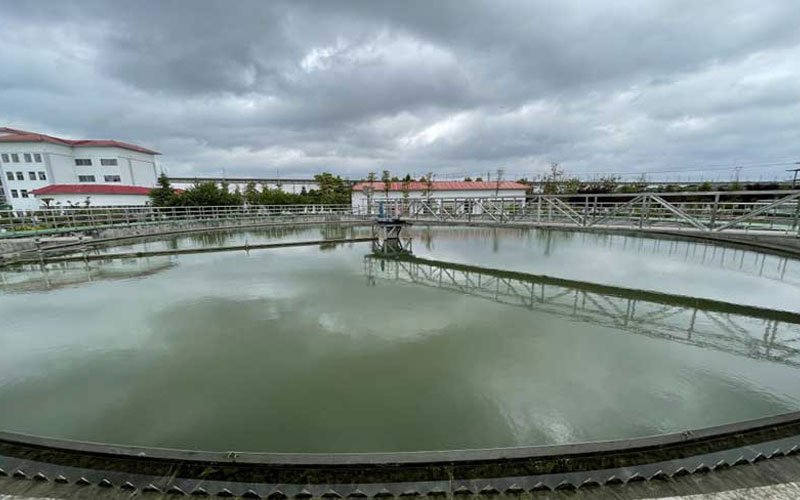
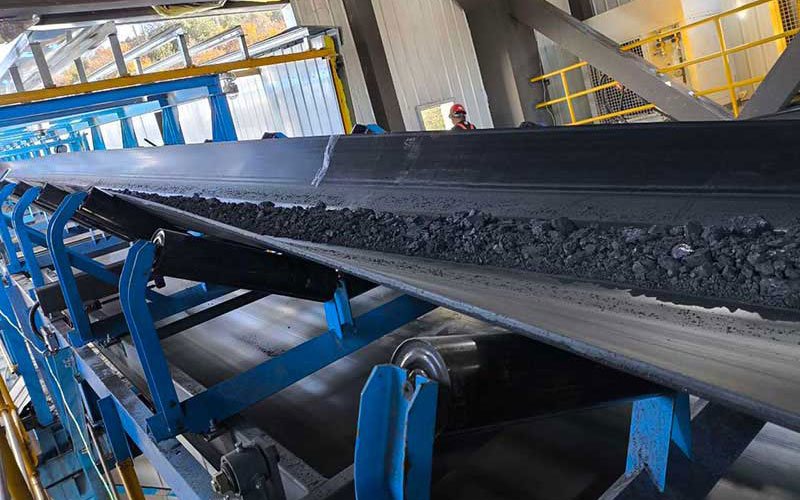
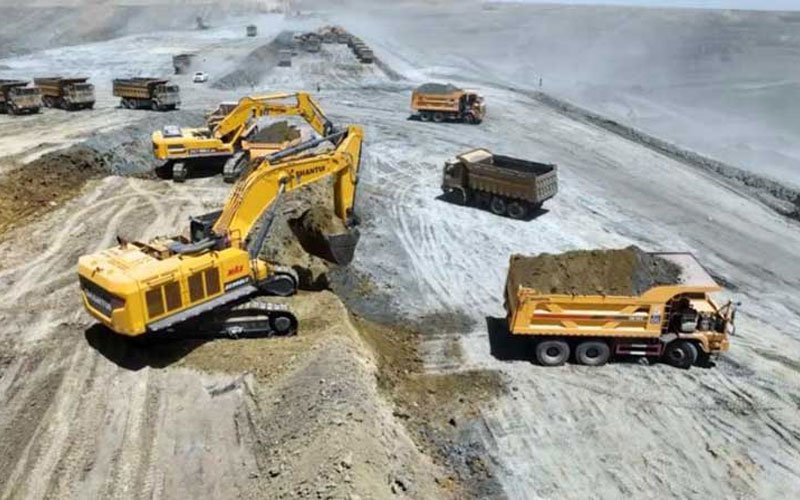
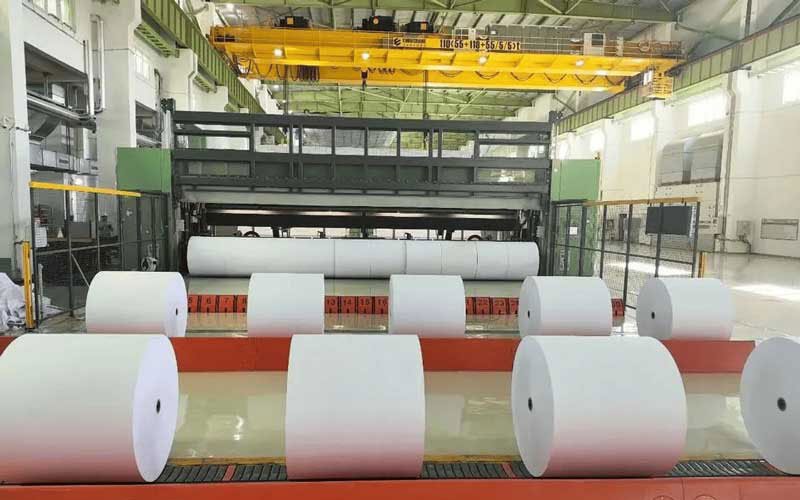
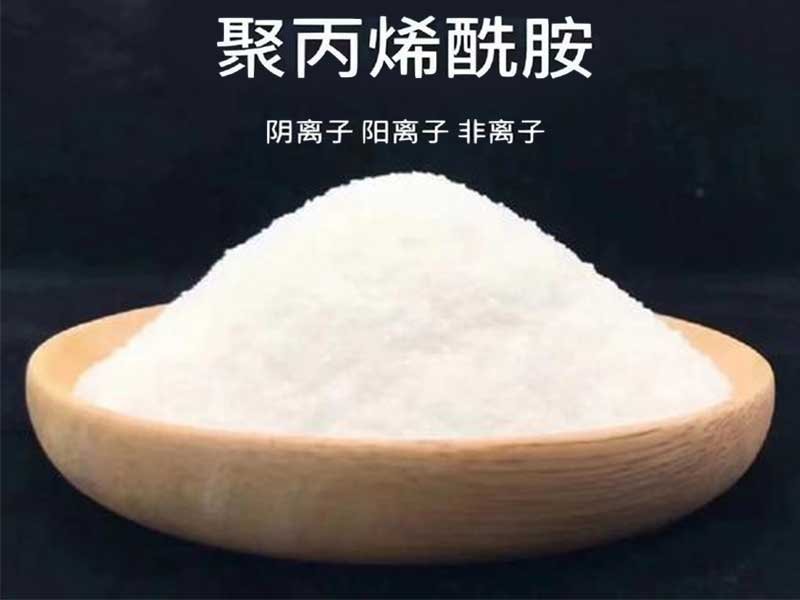
Wavelamp Environmental Protection Technology (Henan) Co., Ltd. is located in Xinxiang High-tech Economic Development Zone, Henan Province. Its main product, polyacrylamide, is widely used as a flocculant, thickener, drag reducer, and binder in industries such as oil extraction, metallurgy, coal, incense making, wastewater treatment, papermaking, chemicals, pharmaceuticals, textiles, and building materials, with huge market demand.
Products

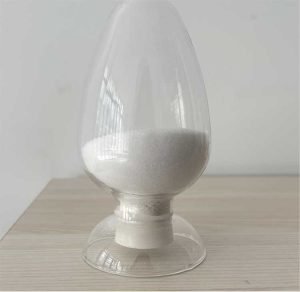
High viscosity polyacrylamide products
Wavelamp high-viscosity polyacrylamide is a water-soluble polymer with ultra-high molecular weight as its core advantage. It features strong thickening, binding
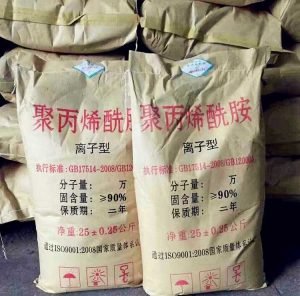
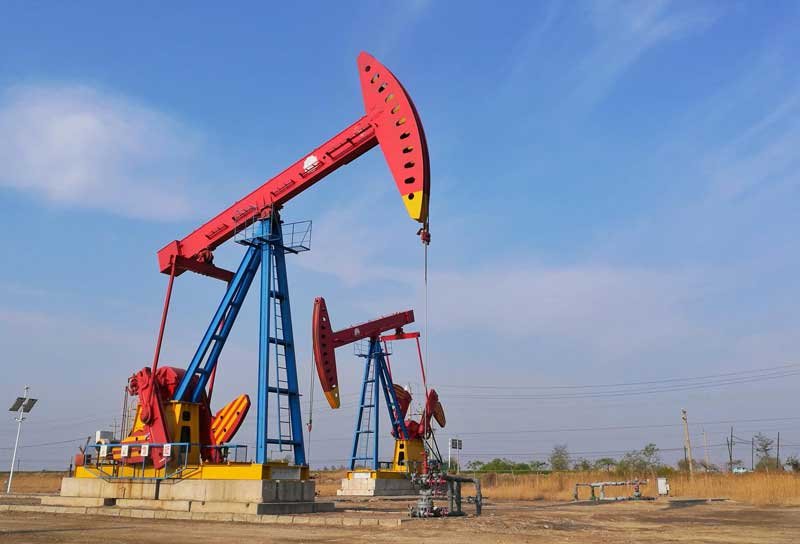
Specialized polyacrylamide for the petroleum industry
Polyacrylamide is a core chemical in oil extraction. Weilangpu oil-specific polyacrylamide, with its thickening, flocculation, and rheology regulation properties, is
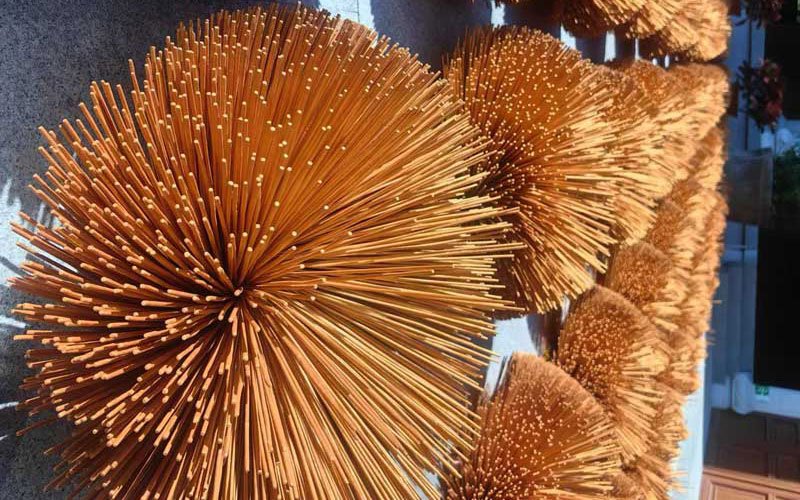
Polyacrylamide (PAM) for incense making
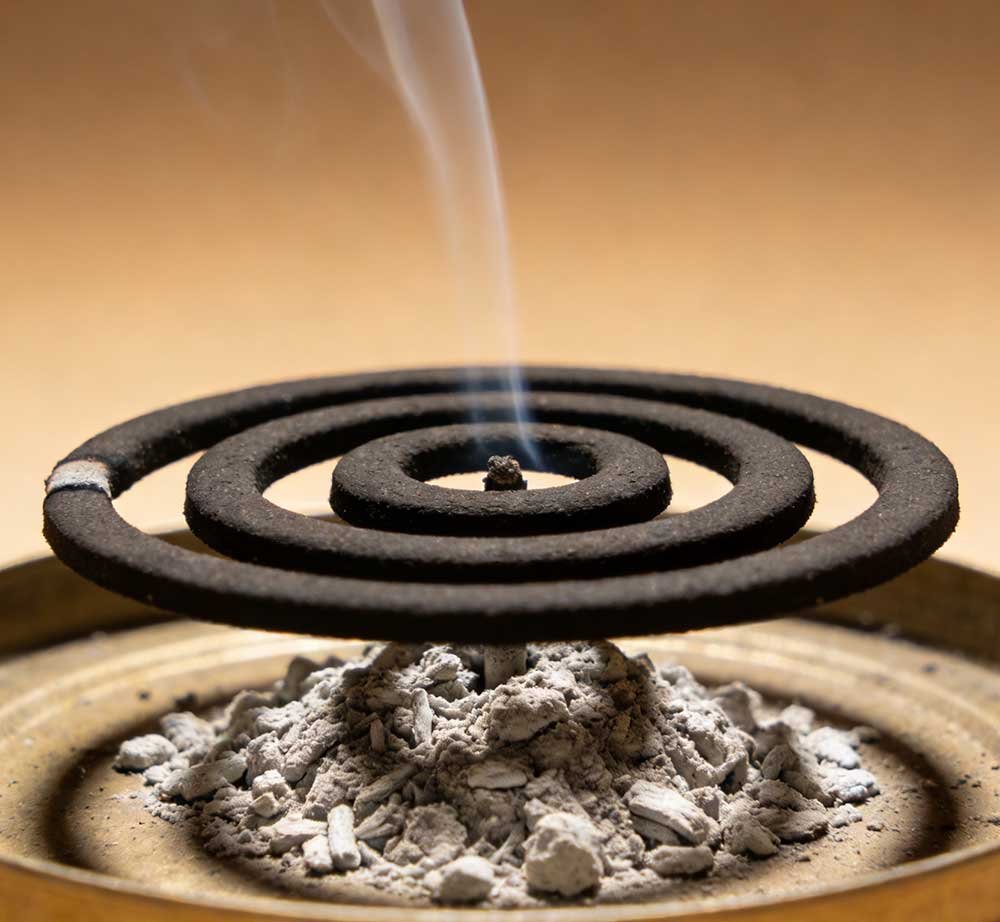
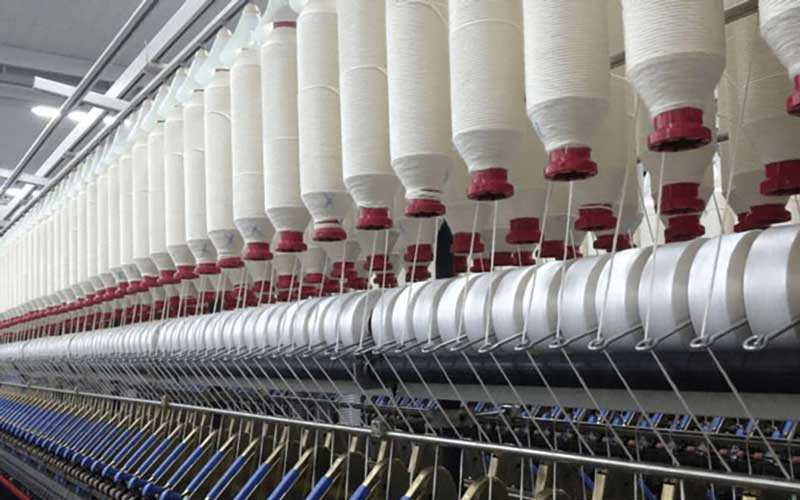
Wavelamp’s incense-specific polyacrylamide is a high-efficiency binder, suitable for all types of incense products such as stick incense, coil incense,
News

Smokeless mosquito coil adhesive: How to make mosquito repellent safer and more environmentally friendly?
We will uncover the secrets of the adhesive in smokeless mosquito coils and see how it has evolved into a
Cat litter clumping agent: unlocks the clumping ability of cat litter
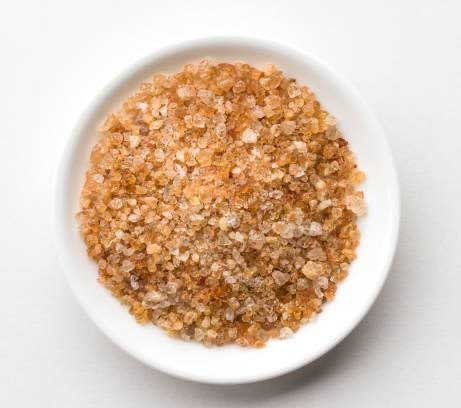
For cat-owning families, the “clumping power” of cat litter is a core indicator of its quality—its ability to clump quickly,
Polyaluminum chloride: A “smart purification master” for the aquatic environment
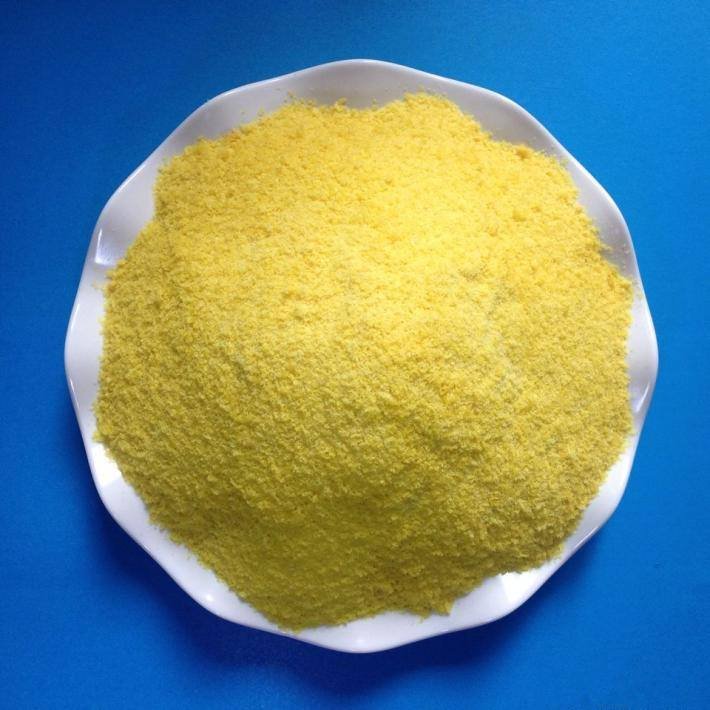
Turn on the tap for a drink, or spot clear water flowing in a river. You might not realize what
Latest Developments in the Polyacrylamide Industry as of January 2026
Capacity Expansion, Standard Upgrades, and Improved Trade Surplus Go Hand in Hand As a “universal additive,” polyacrylamide (PAM) is undergoing
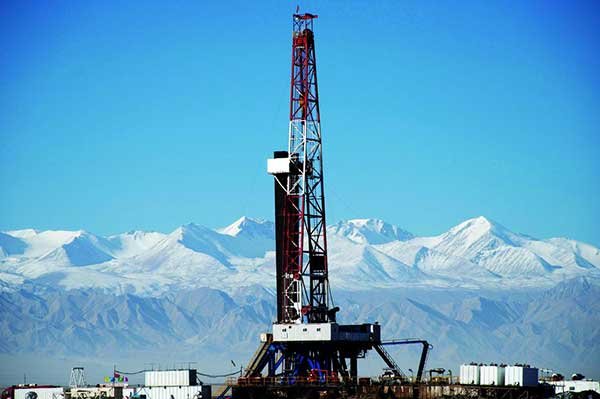
Polyacrylamide (PAM) for Drilling
I. Polyacrylamide (PAM) for Drilling Polyacrylamide (PAM) is a water-soluble polymer with both stability and multifunctionality. It is normally a
The Invisible “Water Purification Magician”: The Secrets of Flocculants
In many stages of water treatment, wastewater treatment, and even industrial production, there is an invisible “magician” that can quickly
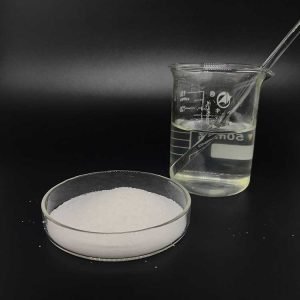
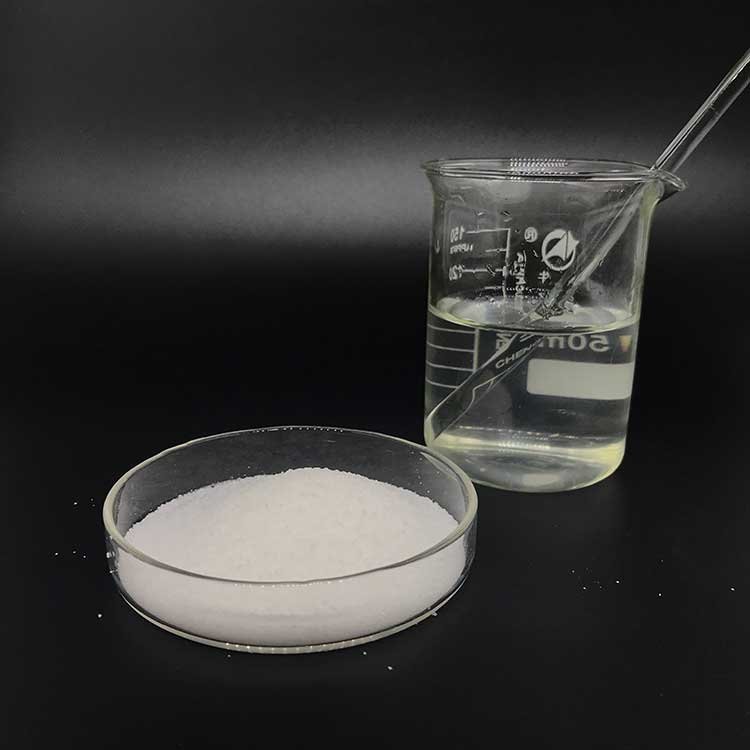
What is the difference between polyacrylamide powder and liquid?
The core difference between polyacrylamide dry powder and liquid lies in their form and dissolution method: dry powder requires dissolution before use, while liquid can be added directly; secondly, there is the issue of storage stability—dry powder is easy to store, while liquid requires protection against degradation.
Form and Usage (Most Crucial)
Dry Powder: Solid granules or powder, must be dissolved in water according to the specified ratio before use (usually takes more than 30 minutes) to form an aqueous solution before addition.
Liquid: Pre-dissolved aqueous solution or emulsion, no dissolution step required, can be directly diluted or added, saving operation time.
Storage and Transportation
Dry Powder: Low water content (usually <10%), small footprint, low transportation costs, can be stored for 1-2 years in a sealed, dry environment.
Liquid: High water content, large packaging volume, high transportation costs, and susceptible to degradation due to temperature; shelf life is typically only 3-6 months.
Cost and Applicable Scenarios
Dry Powder: Relatively low unit price, suitable for scenarios with large usage volumes and available dissolution equipment and time (such as large-scale wastewater treatment plants and oilfield extraction). Liquid: Higher unit price, but eliminates the dissolution process, suitable for small-volume applications and scenarios where convenience is important (such as small-scale emergency wastewater treatment and laboratory use).
How to choose the right polyacrylamide for your needs?
The selection of polyacrylamide requires comprehensive consideration of the application scenario, water quality characteristics, and operating conditions. The following is a detailed selection guide:
Selection Process
Step 1: Determine the Ion Type
Anionic: Suitable for alkaline wastewater containing inorganic suspended solids, such as mining and coal washing wastewater.
Cationic: For high-concentration organic wastewater and sludge dewatering, such as food processing and papermaking wastewater.
Nonionic: Suitable for acidic or high-salt wastewater, with strong resistance to electrolyte interference.
Step 2: Determine Water Quality Characteristics
pH Value: Choose cationic for acidic wastewater, anionic for alkaline wastewater, and nonionic for neutral wastewater.
Impurity Charge: Use cationic for negatively charged dye particles, and anionic for positively charged metal ions.
Step 3: Determine the Form: Powder or Liquid
Suitable Scenarios for Dry Powder:
Paper mills, mining beneficiation plants, and other places with large usage volumes.
Companies that are cost-sensitive and have corresponding dissolving equipment.
Users with limited storage conditions but requiring a long shelf life.
Suitable scenarios for liquid selection:
Small-scale wastewater treatment plants or laboratories.
On-site emergency wastewater treatment.
Situations requiring high ease of operation.
Step 4: Small-scale test
Take 100ml of water sample, add 0.5ml of different types of 0.1% concentration PAM solutions, and observe the floc formation rate and density within 3 minutes. Select the model with the best effect.
Important reminder: Avoid selecting solely based on molecular weight or ionic strength; the optimal model must be determined experimentally.
Our Clients