
1. Complex wastewater composition creates tough compliance and high treatment costs
Tanneries and fur processors run many production stages, including unhairing, tanning, dyeing and washing. Each stage discharges wastewater loaded with fur debris, collagen fibers, grease, chromium ions and dye contaminants. This wastewater carries high pollutant levels, mixed components and toxic substances. Conventional settling works slowly and delivers poor flocculation. Suspended solids and COD often exceed discharge limits. It also disturbs microbes in subsequent biochemical tanks. During peak production, fluctuating water flow can crash the whole treatment system. Worse still, chromium-laden sludge from treatment counts as hazardous waste. Disposal fees charged by ton form a major recurring expense for factories. Special polyacrylamide (PAM) for tanning and fur industries targets these exact water treatment pain points. It solves challenges across the full workflow, from wastewater pre-treatment to deep sludge dewatering.
2. Front-end flocculation pre-treatment eases load on biochemical systems
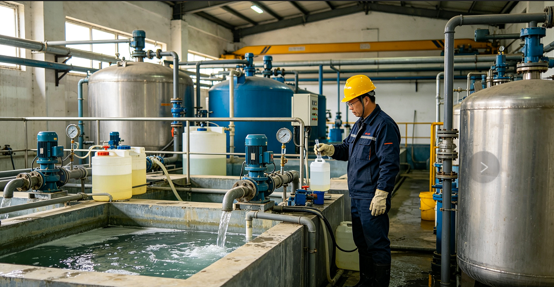
Before wastewater enters biochemical units, add tanning-specific PAM for pre-treatment to gain strong performance. Its stretched polymer chains quickly capture suspended debris, colloids and emulsified oil. The reagent clusters scattered pollutants into dense, fast-settling flocs. This step removes most insoluble contaminants directly. It greatly cuts organic loads entering biochemical tanks, stabilizes microbial activity and keeps outlet water indicators steady. Meanwhile, it lowers chemical consumption for advanced treatment and cuts aeration energy use. In short, it adds a protective buffer for the whole treatment plant.
3. Deep dewatering of chromium sludge slashes hazardous waste disposal costs
Disposal of chromium-containing sludge remains one of the biggest environmental expenses for tanneries. This sludge features high viscosity and high moisture. Standard dewatering struggles to dry it fully, raising transport trouble and disposal bills. Use cationic PAM to condition sludge, then run dewatering with filter presses or screw dehydrators. This process drives down sludge moisture significantly. Filter cakes turn firm, dry and leak-free. Sludge volume shrinks by over half and cuts total hazardous waste output sharply. In the long run, savings on disposal fees far outweigh chemical investment. This method serves as a core hidden cost-reduction tool for factories.
4. Wide compatibility fits all workshop sections and working conditions
Wastewater quality varies widely across tanning workshops. Unhairing wastewater carries high alkalinity and solids; tanning wastewater contains chromium and high salt; dyeing wastewater holds dark color and heavy pollutants. This specialized PAM offers strong adaptability. It creates reliable flocculation for wastewater from different stages, so factories avoid buying multiple separate chemicals. It tolerates wide pH ranges and high salinity in tanning wastewater, and does not react with tanning agents or dyes. It connects directly to existing settling tanks and dewatering equipment, requiring no extra production line modification.
5. Simple operation and low dosage suit small and large factories alike
Many operators worry specialty chemicals bring complex workflows and high costs, but this product has a low entry barrier. Dissolve it in room-temperature water with stirring, then dose it quantitatively via metering pumps at target points. Adjust dosage flexibly based on incoming water quality and flow. Regular site staff can master the process after a simple demonstration; no dedicated technical experts are needed. The chemical also requires tiny doses, only several to a dozen grams per ton of treated water. It keeps daily operational costs low and works well for both small and large tanneries and fur processors.
6. Meet discharge standards while cutting costs for sustainable long-term operation
Environmental oversight grows stricter for tanning and fur sectors. Factories need stable compliance and tight cost control at the same time. Special PAM for tanning and fur processing improves wastewater treatment efficiency at the front end, maintains stable discharge compliance and lowers risks of environmental penalties. At the back end, it deep-dewaters sludge and greatly reduces hazardous waste disposal spending. One product covers two core areas: wastewater treatment and sludge handling. With low investment and fast returns, it delivers a cost-effective option for enterprises to operate legally and boost profitability.