
1. Slaughter Wastewater: Smelly, Tough to Treat? Dual Pressures on Compliance & Costs
Most operators running slaughterhouses or meat processing plants know this pain well. Wastewater from production lines carries heavy odors and turbidity. It mixes with blood contaminants, grease, meat scraps and hair. Pollutant levels stay high and these materials do not settle easily. With conventional treatment, suspended solids and COD in final discharge often swing out of range. During peak production, surging flow rates easily trigger non-compliance and fines. Sludge at tank bottoms and surface scum stay dilute and voluminous. Disposal charges apply per ton, creating heavy annual expenses. Our polyacrylamide built exclusively for slaughter and meat processing wastewater works as an efficient treatment aid. It supports full-process operations, from front-end flocculation pretreatment to advanced sludge dewatering. It helps plants keep stable discharge standards and cut real operational costs.
2. Core Drawbacks of Traditional Processes: Unstable Performance & High Disposal Costs
Slaughter and meat processing wastewater comes from bleeding, scalding, cutting and washing stages. It contains abundant suspended solids, high grease content and large amounts of soluble organic matter. Natural sedimentation works slowly in old systems. Fine meat particles and emulsified grease fail to sink. Once they flow into biotanks, they shock microbial communities and cause volatile discharge indicators. Stable environmental compliance becomes hard to guarantee. Besides, settled sludge and scum skimmed from flotation units hold extremely high moisture. They take up huge volume and drive up hauling and disposal fees. This line item represents a major fixed expense for many facilities. When production ramps up in peak seasons, treatment burdens multiply immediately.
3. Front-End Flocculation Pretreatment: Ease Loads on Biochemical Systems
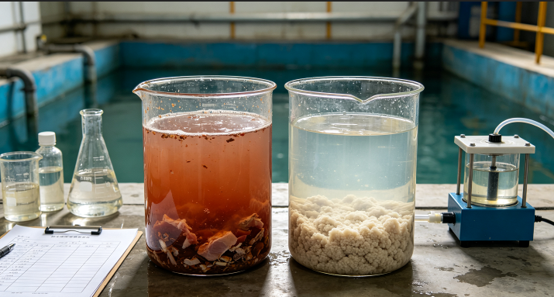
Before wastewater enters biochemical tanks, add slaughter-specific polyacrylamide for pretreatment, paired with sedimentation or flotation units. You will see clear performance gains. Stretched polymer chains quickly trap suspended meat scraps, hair fragments and emulsified grease. They bind scattered pollutants into dense, large flocs that settle fast or separate via air flotation. This step removes most non-soluble contaminants directly. It greatly cuts organic loads flowing into bioreactors, stabilizes microbial activity and limits fluctuations in discharge quality. It also lowers aeration energy use and chemical consumption in subsequent advanced treatment. In short, it adds a buffer layer for your whole treatment system.
4. Advanced Dewatering for Scum & Sludge: Slash Heavy Disposal Bills
Sludge and scum generated from slaughter wastewater hold high moisture and create foul odors. Direct hauling brings hassle and high costs. Condition sludge with cationic polyacrylamide, then run it through filter presses or screw presses for dewatering. This treatment drops moisture content significantly. The resulting filter cakes stay firm and leak-free. Their total volume shrinks by over half, so hauling volumes drop sharply. You also avoid spills and complaints during transportation. In the long run, savings on sludge disposal far outweigh spending on the chemical itself. This method delivers hidden cost reduction for your plant.
5. Fits Full Range of Scenarios: Handles Shifting Water Quality
This custom polyacrylamide delivers strong adaptability. It works for pig slaughter, poultry processing, beef and mutton cutting, as well as wastewater from frozen meat and cooked meat production. It withstands variable water quality across different process sections. Whether you handle highly turbid scalding wastewater or grease-heavy wash water, tune dosing rates to get reliable results. The chemical connects directly to your existing sedimentation tanks, flotation machines and filter equipment. No extra production line retrofits are needed. Small and large plants can roll it out quickly without halting normal operations.
6. Simple Operation & Low Dosage: Low Barriers for Daily Maintenance
Many plant managers worry specialty chemicals require complex handling, but this product needs little technical expertise. Just dissolve it in room-temperature water with stirring at the right ratio. A chemical dosing pump feeds the solution quantitatively at target treatment points. Adjust dosage flexibly based on incoming flow and turbidity. Ordinary on-site operators can master the process after one demonstration. You do not need to hire dedicated technical staff. What’s more, the chemical consumes in tiny quantities. Only several to more than ten grams treat one ton of wastewater. Low daily operational costs make it affordable even for small and medium facilities.
7. Balance Compliance & Cost Savings: Greater Returns Over Long-Term Use
Environmental regulations grow stricter for slaughter and meat processing sectors. Facilities must maintain discharge compliance while controlling spending. Slaughter & meat processing grade polyacrylamide lifts wastewater treatment efficiency and stabilizes discharge to avoid penalties. It also dewaters sludge and scum deeply to cut disposal costs drastically. One chemical covers two core tasks: wastewater treatment and sludge handling. It requires low upfront investment and produces fast results. It serves as a cost-effective choice for enterprises aiming for compliant and economical operations.