
1. Paper Production Faces Dual Pressures: High Material & Wastewater Treatment Costs
Paper and pulp manufacturers commonly encounter two tough challenges. Fine fibers and fillers wash away along with white water. This causes heavy raw material loss. It also limits paper machine speed, weakens sheet formation and reduces paper strength, hurting both output and quality. On the wastewater side, high suspended solids raise treatment loads and sludge disposal expenses. Strict environmental inspections bring extra compliance risks. Special polyacrylamide for paper and pulp serves as an all-process functional additive. It covers machine retention & drainage, white water fiber recovery, wastewater treatment and sludge dewatering. This product helps mills stabilize quality, cut losses and meet discharge standards.
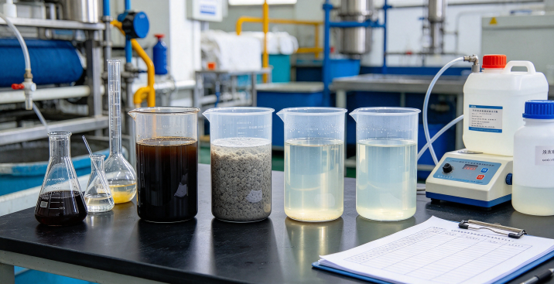
2. Boost Machine Speed via Retention & Drainage Aids, Stabilize Paper Quality
Adding the tailored polyacrylamide into pulp stands as a core way to lift production efficiency. Its long polymer chains bind fine fibers and fillers to long fibers through adsorption and bridging effects. It greatly improves retention rates of fibers and fillers and cuts raw material loss in white water. Meanwhile, it speeds up pulp drainage and lowers sheet moisture at the wire section. Paper machines can run faster and raise hourly output. Better distribution of fibers and fillers delivers more uniform, smoother and stronger paper. It reduces paper breaks and thin sheet defects to maintain consistent quality. The additive works well for printing & writing paper, packaging paper, tissue and other mainstream grades.
3. Closed White Water Recovery to Stop Raw Material Wastage
Paper white water carries large amounts of escaped fine fibers and pulp. Direct discharge wastes raw materials and increases downstream wastewater burdens. Once dosed, the dedicated polyacrylamide quickly flocculates fiber and filler particles in white water and accelerates sedimentation. Recovered pulp can return to the pulping system for reuse and lower raw material consumption directly. Clear supernatant water after separation features high clarity. Factories reuse it for equipment washing and pulp preparation. This builds a closed white water loop, cuts fresh water intake and reduces wastewater volume and treatment loads. One single investment saves costs on raw materials, fresh water and pollution control at the same time.
4. Efficient Wastewater Pretreatment for Stable Discharge Compliance
Paper intermediate wastewater contains abundant lignin, colloids and suspended solids. Feeding raw wastewater into biological systems creates heavy loads and unstable effluent quality. During pretreatment, polyacrylamide works with coagulants to rapidly flocculate suspended particles and colloidal contaminants. It removes most suspended solids and partial COD, easing pressure on subsequent biological treatment. As a result, biological systems run steadily with minor water quality fluctuations. Effluent indicators stay within limits, lowering risks of non-compliance from hydraulic shocks. It also reduces chemical dosage and aeration energy consumption in advanced treatment stages.
5. Deep Sludge Dewatering to Cut Disposal Expenses
Excess sludge and pulp residue from papermaking wastewater usually hold high moisture and occupy large volume, leading to high haulage and disposal costs. Cationic polyacrylamide conditions sludge before dewatering on filter presses or belt filter machines. It releases free and bound water inside sludge to slash moisture content significantly. Filter cakes turn firm and drip-free after pressing, with volume reduced by more than half. This directly cuts transportation and disposal spending. Moreover, dry filter cakes support resource recovery options such as co-incineration or building material production for further cost reduction.
6. Full-process Compatibility & Simple Operation with Low Technical Barriers
This customized polyacrylamide fits all core papermaking stages, from retention/drainage and white water fiber recovery to wastewater treatment and sludge dewatering. Users pick matching grades for each scenario. It reacts mildly without damaging pulp properties or finished paper quality, and stays compatible with other common production additives. Operation remains straightforward: dissolve the powder in clean water at set ratios, then meter the solution via dosing pumps. Operators adjust dosage flexibly based on pulp concentration, water quality and flow rates. General workers master the process after brief training. No dedicated technical staff or equipment retrofits are required, and it integrates smoothly into existing production lines.